Seven Bible verses about trusting God — for uncertainty, for outcomes you cannot control, and for days when trust feels like a risk.
September 1, 2026
·
3 min
Trusting God sounds serene until you try it on something that actually matters. Then it is a decision made without the information you wanted, which is what the Bible means by trust in the first place.
These seven verses describe what trust does: it fixes the mind, hands over the outcome, keeps you steady, and puts your roots somewhere the weather cannot reach.
7 Bible Verses About Trusting God
1. Where trust starts
“In you, Lord my God, I put my trust.” — Psalms 25:1
2. Peace comes from a fixed mind
“You keep him in perfect peace whose mind is stayed on you, because he trusts in you.” — Isaiah 26:3
3. Hand it over, then let Him act
“Commit your way to the Lord; trust in him, and he will act.” — Psalms 37:5
4. Steady because of who is beside you
“I keep my eyes always on the Lord. With him at my right hand, I will not be shaken.” — Psalm 16:8
5. Trust instead of fear
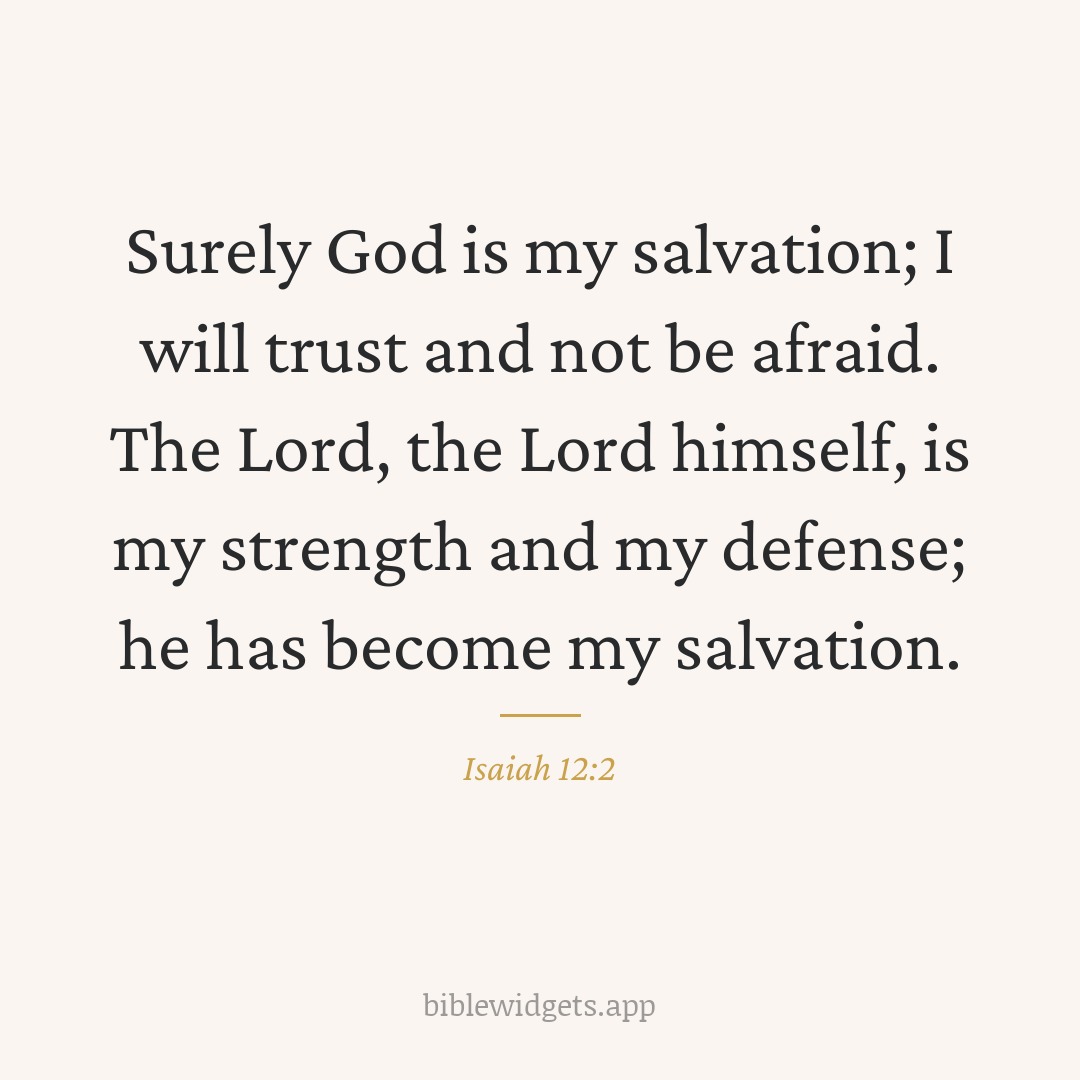
“Surely God is my salvation; I will trust and not be afraid. The Lord, the Lord himself, is my strength and my defense; he has become my salvation.” — Isaiah 12:2
6. Roots near the water
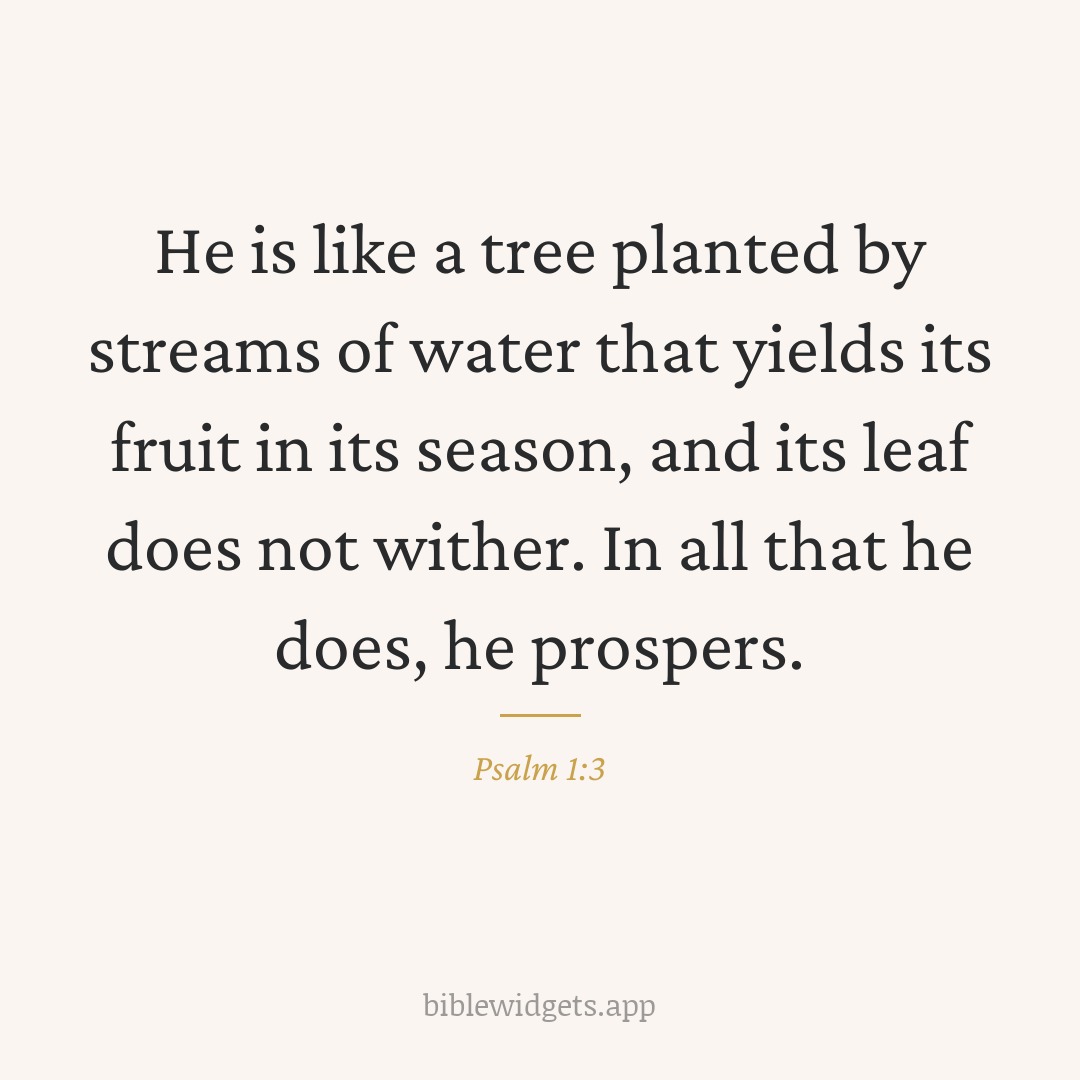
“He is like a tree planted by streams of water that yields its fruit in its season, and its leaf does not wither. In all that he does, he prospers.” — Psalm 1:3
7. Trust that sings before morning
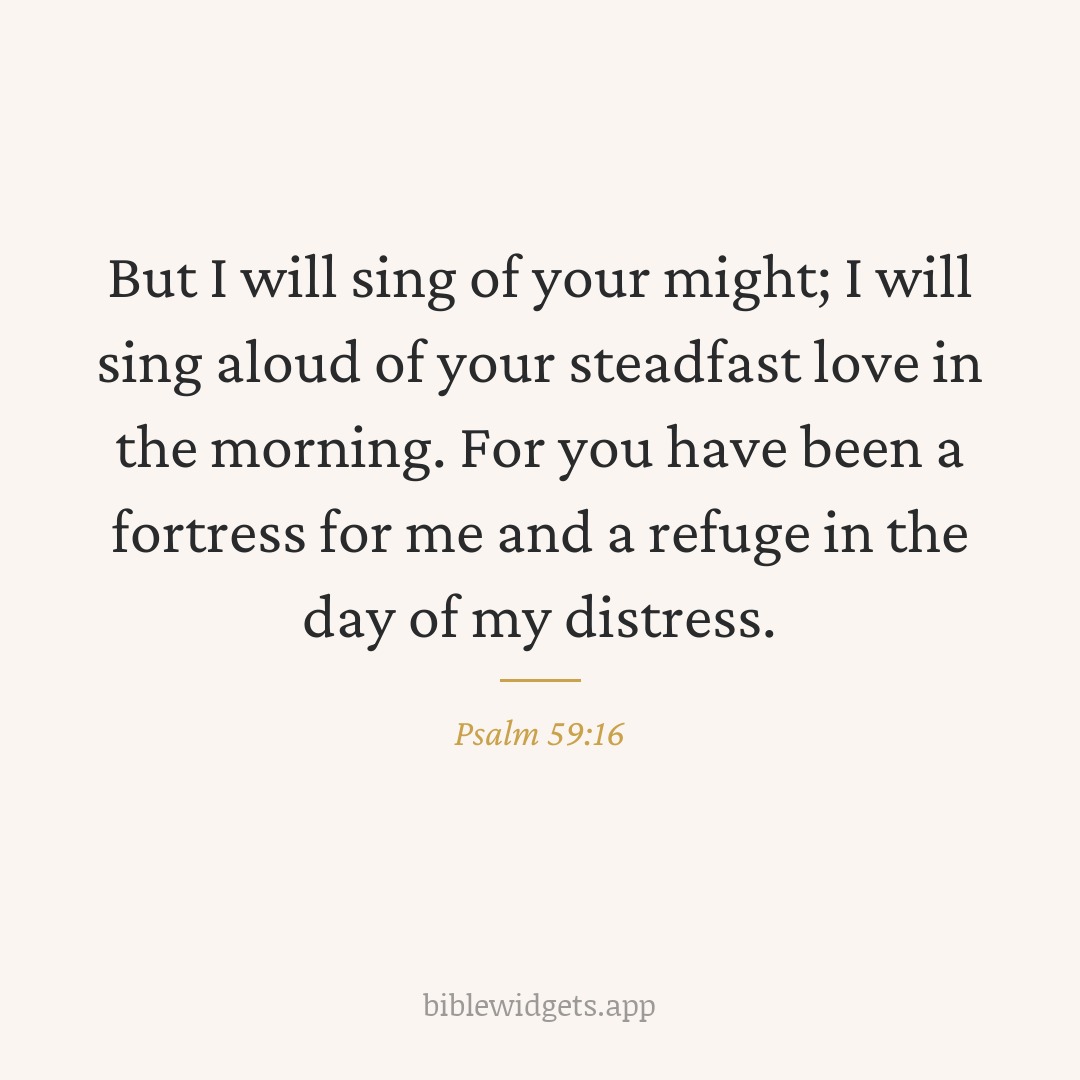
“But I will sing of your might; I will sing aloud of your steadfast love in the morning. For you have been a fortress for me and a refuge in the day of my distress.” — Psalm 59:16
Frequently asked questions
What does the Bible say about trusting God in hard times?
Isaiah 12:2 puts trust and fear side by side as alternatives — I will trust and not be afraid — which treats trust as the thing you do with fear rather than the proof you have none.
How do I trust God when I cannot see the outcome?
Psalms 37:5 splits it into two moves: commit the way, then let Him act. The second half is the hard one, because it is the part where you stop managing the result.
Which Bible verse says trust brings peace?
Isaiah 26:3 — perfect peace is tied to a mind that stays fixed on God. The peace in that verse is a by-product of where your attention rests, not of your circumstances settling down.
What does it mean to be like a tree planted by water?
Psalm 1:3 pictures a person whose roots reach a supply that does not depend on the weather. The fruit still comes in its season — but the leaf does not wither in between.